
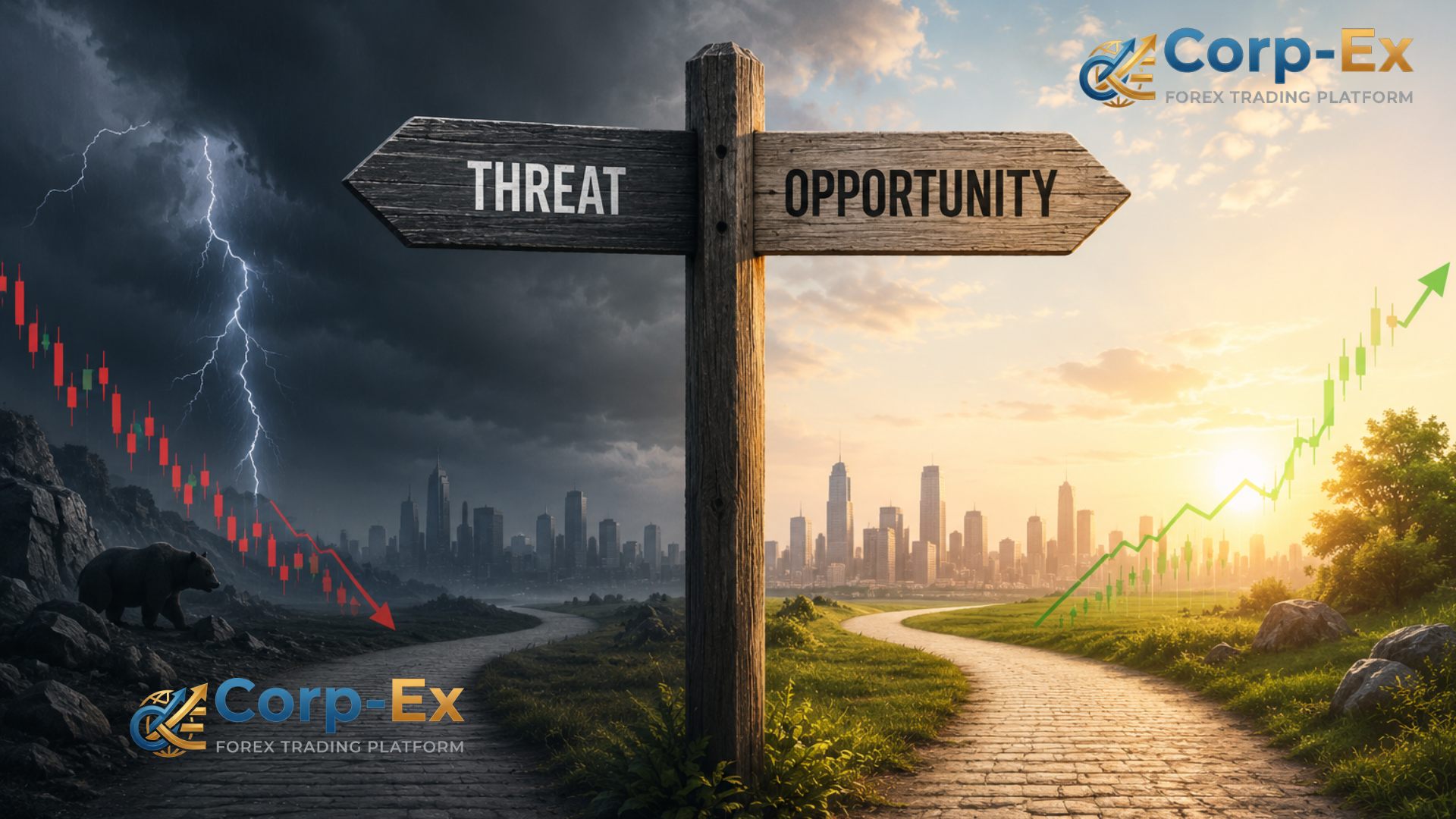
Every day, investors make decisions based on one simple question:
Will the economy grow, or will rising prices slow it down?
This balance between economic growth and inflation is one of the biggest forces driving financial markets. It influences everything from stock prices and interest rates to bond yields and consumer spending.
When the economy is growing, businesses often sell more products, hire more employees, and generate higher profits. But if prices rise too quickly a phenomenon known as inflation that same growth can begin to slow as consumers and businesses face higher costs.
For beginner and casual investors, understanding this balancing act makes it much easier to understand why markets sometimes react strongly to economic news.
What Is Happening?
Economic growth and inflation often move together but not always at the same pace.
A growing economy usually means people are spending more, businesses are investing, and demand for goods and services is increasing. This is generally positive for company earnings and, in turn, the stock market.
However, when demand grows faster than supply, prices begin to rise.
Imagine a popular concert with only 500 tickets available. If 5,000 people want to attend, ticket prices will naturally increase because demand is greater than supply.
The economy works in much the same way.
If consumers are buying more goods than companies can produce, or if businesses face higher costs for energy, wages, or raw materials, prices tend to rise. This is inflation.
A moderate level of inflation is considered normal in most healthy economies. Problems arise when inflation becomes too high or remains elevated for an extended period.
To help control inflation, central banks may increase interest rates. Higher interest rates make borrowing more expensive, encouraging consumers and businesses to spend less. While this can help reduce inflation, it may also slow economic growth.
This is why investors closely monitor both growth and inflation they are constantly trying to determine which force will have the greater influence on the economy.
Why It Matters for Investors
Financial markets are forward-looking.
Rather than focusing only on today’s economic conditions, investors try to anticipate what the economy will look like months or even years into the future.
If economic growth appears strong while inflation remains under control, markets often respond positively. Businesses are more likely to increase profits, unemployment may remain low, and consumers generally continue spending.
But if inflation begins rising too quickly, investors may become concerned.
Higher inflation can reduce consumers’ purchasing power, increase operating costs for businesses, and lead central banks to keep interest rates higher for longer.
Different investments respond differently to these conditions.
Growth-oriented companies, particularly in the technology sector, often perform well during periods of strong economic expansion and lower interest rates. In contrast, companies in sectors such as consumer staples, healthcare, or utilities may prove more resilient when economic growth slows because demand for their products tends to remain relatively stable.
Bond markets are also highly sensitive to inflation. When investors expect inflation to remain high, bond yields often rise as investors seek higher returns to offset the loss of purchasing power.
History provides a valuable reminder.
During the high-inflation period of the 1970s, rising prices became one of the biggest challenges facing economies around the world. More recently, inflation surged following the COVID-19 pandemic as demand recovered quickly while global supply chains struggled to keep pace.
Although every economic cycle is different, these examples illustrate why investors pay close attention to inflation alongside economic growth.
Key Takeaways
Successful investing isn’t just about finding companies that are growing it also involves understanding the economic environment in which those companies operate.
Strong economic growth can create opportunities for businesses and investors alike. However, if inflation rises too quickly, higher costs and higher interest rates can slow that growth and create additional uncertainty.
Rather than viewing growth and inflation as separate topics, think of them as two sides of the same coin. Healthy economies often need both steady growth and controlled inflation to create a stable environment for businesses and investors.
Learning how these forces interact can help you better understand why financial markets respond so quickly to economic news.
Think Like an Investor
The next time you hear economic news, ask yourself:
- Is the economy growing because demand is healthy, or is inflation driving prices higher?
- Could rising inflation lead to higher interest rates?
- Which industries might benefit from stronger growth, and which could be affected by higher costs?
- Are markets reacting to today’s data or to expectations about the future?
These questions can help you understand the bigger picture instead of focusing on a single headline.
To continue building your financial knowledge, explore all the educational resources available at Corp-Ex.
Disclaimer
This article is for educational purposes only and should not be considered financial or investment advice. Investing involves risk, including the possible loss of capital. The information provided is intended to help readers better understand financial markets and should not be used as the sole basis for investment decisions. Always conduct your own research and consider consulting a qualified financial advisor before making investment decisions.