
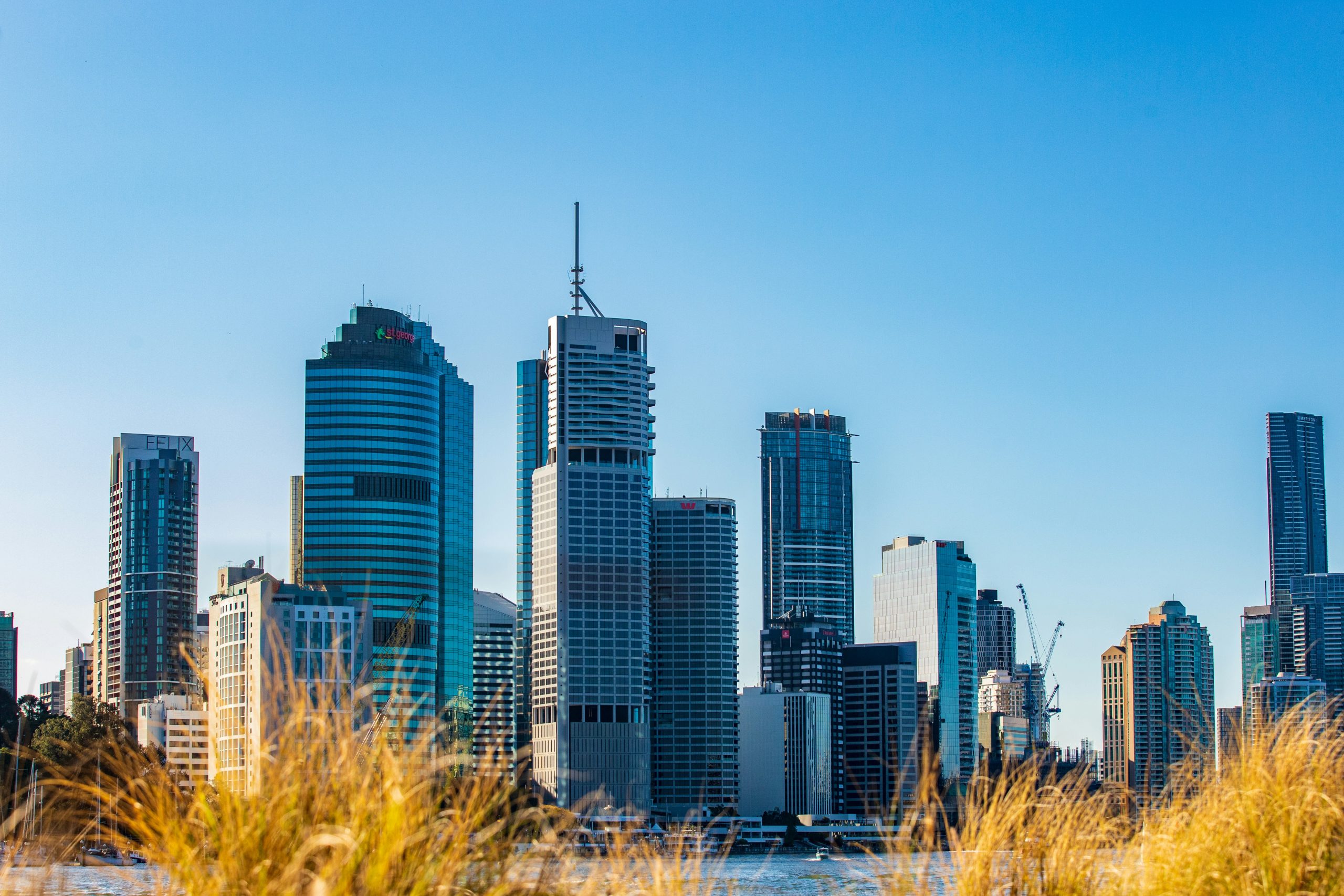
Queensland’s property market continues to evolve as Brisbane, the Gold Coast and surrounding regions experience ongoing growth. As new residential projects take shape, property developers and homebuyers are paying greater attention to the features that can influence comfort, practicality and long-term living.
Location, architecture and lifestyle remain important factors when choosing a property. However, energy efficiency is becoming an increasingly relevant consideration in modern property development. The way a building is designed, constructed and operated can influence how comfortable it is to live in and how much energy it consumes over time.
This shift is creating new opportunities for developers to consider sustainability from the earliest stages of a project. At the same time, buyers are becoming more interested in understanding how the properties they purchase are designed to perform.
The Changing Landscape of Property Development
Modern property development involves much more than constructing a building. Successful projects need to consider location, design, functionality, community needs and the expectations of future residents.
For buyers exploring new developments brisbane, energy efficiency can be one of many factors worth considering alongside location, architecture, amenities and overall design.
New developments provide an opportunity to incorporate energy-conscious features from the beginning. Decisions about building orientation, window placement, insulation, ventilation and materials can all influence how a property performs once it is occupied.
Rather than treating sustainability as an additional feature, developers can consider energy efficiency as part of the broader design process.
This approach can help create properties that are attractive, comfortable and practical while also responding to changing expectations around responsible energy use.
Why Energy Efficiency Is Becoming More Important
Energy efficiency is increasingly becoming part of conversations about modern homes and residential developments.
For homeowners, energy consumption can influence ongoing household expenses. For developers, designing efficient properties can help respond to growing interest in sustainability and changing building requirements.
An energy-efficient home is not necessarily defined by one particular technology. Instead, it can result from a combination of design decisions and systems that work together.
These may include:
- Effective insulation
- Natural ventilation
- Energy-efficient lighting
- Efficient appliances
- Appropriate building orientation
- Shading and passive design
- Efficient hot water systems
- Renewable energy technologies
- Smart energy management
When these features are considered as part of an integrated design approach, they can contribute to a more comfortable and efficient living environment.
Queensland’s Approach to Energy-Efficient Homes
Energy efficiency is also becoming increasingly relevant within Australia’s building standards and policies.
The Queensland Government has introduced residential energy efficiency standards for new dwellings under the National Construction Code 2022. These standards address the energy performance of the building shell and the energy use of major household fixtures and appliances.
The broader goal is to improve the performance and comfort of new homes while helping reduce energy use over their lifespan.
For property developers, these requirements highlight the importance of considering energy performance during the planning and construction process.
For buyers, they also demonstrate why it can be useful to understand the energy-related features of a new home or apartment before making a purchasing decision.
Designing for Comfort in Queensland’s Climate
Queensland’s climate presents unique considerations for property development.
Many parts of the state experience warm or hot conditions for significant portions of the year. As a result, the design of a building can have an important influence on indoor comfort.
Passive design principles can help properties make better use of natural conditions. Building orientation, shading, insulation and ventilation can all influence how heat enters and moves through a property.
Natural light can also play an important role. Thoughtful window placement can help bring daylight into living spaces while appropriate shading can help manage heat gain.
These design choices may not always be obvious when viewing a property for the first time, but they can contribute to the everyday experience of living in the home.
Energy efficiency, therefore, is not simply about reducing energy consumption. It can also be about creating a property that feels comfortable and functional throughout the year.
The Role of Renewable Energy
Energy efficiency and renewable energy are closely connected, but they serve different purposes.
Energy efficiency focuses on reducing unnecessary energy consumption, while renewable energy technologies generate power from sources such as sunlight.
Solar energy is already widely used across Australian homes and businesses. Queensland’s climate provides favourable conditions for solar generation, making it an increasingly common consideration for property owners.
The Australian Government’s Energy.gov.au provides information for households on managing energy use and improving energy efficiency. Its resources cover areas including solar photovoltaic systems, batteries, hot water and pool pumps, demonstrating how different technologies can contribute to better household energy management.
For modern property development, renewable energy can complement other efficiency measures.
A well-designed property may combine passive design principles with energy-efficient appliances and renewable energy technologies. Together, these approaches can help create a more comprehensive strategy for managing energy.
Beyond Solar Panels
When sustainability is discussed in relation to property, solar panels are often one of the first technologies that come to mind.
However, energy use extends across many parts of a property. Hot water systems, heating, cooling, lighting and outdoor equipment can all contribute to overall energy consumption.
Swimming pools are a good example. Maintaining a comfortable pool temperature can require energy, particularly when heating is used regularly.
For properties with swimming pools, technologies such as swimming pool solar heating brisbane can provide a way to use solar energy as part of a pool heating strategy.
Solutions like this demonstrate that energy-conscious thinking can extend beyond the main building. Property owners can consider how different systems operate together and whether renewable technologies can help reduce reliance on conventional energy sources.
What Homebuyers Should Consider
Energy efficiency is becoming another factor for buyers to consider when comparing properties.
When looking at a new home or apartment, prospective buyers may want to ask questions about:
- The property’s insulation
- Natural lighting and ventilation
- Energy-efficient appliances
- Hot water systems
- Solar energy options
- Building orientation
- Shading and passive design
- Future opportunities for energy upgrades
These factors can provide a better understanding of how a property may perform in everyday use.
While energy-efficient features do not guarantee a specific level of savings, they may contribute to improved comfort and more efficient energy use.
The initial purchase price is also only one part of the long-term cost of owning a property. Electricity, hot water, heating and cooling can all contribute to ongoing household expenses.
As a result, buyers may increasingly consider a property’s energy performance alongside its location, size, design and amenities.
The Opportunity for New Property Developments
New residential developments offer a unique opportunity to consider energy efficiency from the beginning.
When a project is still in the planning and design stages, developers can work with architects, engineers and other professionals to consider how different design elements can influence energy performance.
This may involve decisions about:
- Building orientation
- Window positioning
- Insulation
- Natural ventilation
- Shading
- Lighting
- Appliances
- Hot water systems
- Solar energy
- Landscaping
The challenge is finding the right balance between sustainability, design, construction requirements, affordability and the needs of future residents.
Energy efficiency should therefore be viewed as part of good property development rather than an isolated feature.
Brisbane’s Growing Property Market
Brisbane continues to experience growth and development, creating demand for new residential properties across the city and surrounding areas.
As the city expands, modern developments need to respond to changing lifestyles and expectations.
Buyers are looking for properties that provide convenient locations, attractive designs and practical living spaces. At the same time, sustainability and energy efficiency are becoming more relevant to the broader conversation about the future of housing.
This creates an opportunity for developers to consider how new projects can combine good design with energy-conscious features.
The strongest developments may be those that bring together location, lifestyle, architecture and practical sustainability in a cohesive way.
The Future of Property Development in Queensland
The future of Queensland property development is likely to involve a closer relationship between architecture, energy efficiency and renewable technology.
Solar power, battery storage, efficient hot water systems and smart energy management can all contribute to the way properties use and manage energy.
However, technology is only one part of the equation.
The foundations of an energy-efficient property begin with good design. Building orientation, insulation, ventilation, shading and material choices can all influence how a property performs.
As Queensland continues to grow, developers have an opportunity to consider the long-term needs of residents rather than focusing solely on the initial construction and appearance of a project.
This means creating properties that are designed to be comfortable, practical and adaptable as technology and lifestyles continue to change.
Building a More Energy-Efficient Future
Energy efficiency is becoming a priority in modern property development because it connects several important aspects of residential living.
For developers, it provides an opportunity to incorporate thoughtful design and sustainable technologies into new projects. For buyers, it offers another way to assess the long-term practicality and comfort of a property.
From the design of a building to the systems used to generate electricity, heat water or warm a swimming pool, individual decisions can contribute to the overall energy performance of a property.
As Brisbane and other parts of Queensland continue to grow, the future of property development will likely be shaped by a combination of good design, changing buyer expectations and smarter energy solutions.
Modern property development is no longer only about creating attractive buildings. It is increasingly about creating places that work well for the people who live in them while considering how they use energy and resources over the long term.
 nDir
nDir