
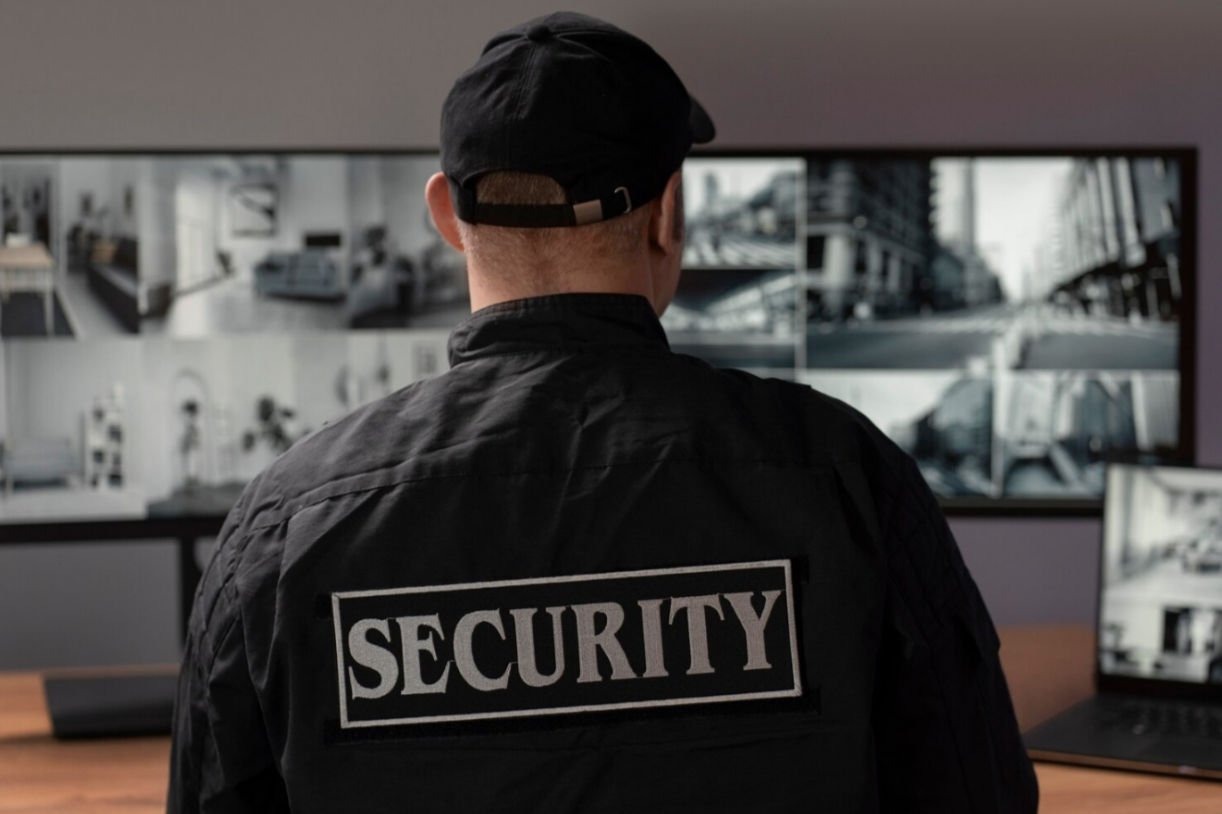
Some properties face a higher level of fire risk because of construction work, equipment use, temporary system failures, or activities involving heat and combustible materials. In these environments, relying only on alarms or automated systems may not always be enough. A trained security guard assigned to fire watch duties can provide continuous human observation and help identify hazards before they become emergencies.
Fire watch security is especially useful when normal fire protection systems are unavailable, under maintenance, or temporarily impaired. Professional guards can patrol designated areas, monitor unusual conditions, maintain records, and follow established emergency procedures. Their presence adds an active layer of protection while helping property managers maintain better control over site safety.
Fire Watch Guards Provide Continuous Observation
Properties using Fire watch and safety services can benefit from guards who remain focused on identifying potential fire-related concerns. Their responsibilities may include checking areas where hot work is taking place, observing storage zones, inspecting access routes, and watching for smoke, unusual heat, or unsafe activity.
Unlike automated equipment, security guards can interpret what they see and respond to changing conditions. If a potential hazard appears, they can report it immediately and follow the site’s established safety procedures.
Patrols Help Identify Hazards Early
Fire watch duties commonly involve regular patrols rather than remaining at a single fixed location. Guards can move through designated parts of a property and pay close attention to areas where fire risks may be greater.
During these rounds, they may notice blocked exits, combustible materials stored incorrectly, damaged equipment, unsafe temporary wiring, or activities that require additional supervision. Early identification gives site management an opportunity to address concerns before they develop into more serious problems.
Security Guards Support Emergency Preparedness
Fire watch guards are not firefighters, but their presence can support a faster and more organized initial response. When guards detect smoke, fire, or another serious hazard, they can follow the property’s emergency procedures and notify the appropriate people without unnecessary delay.
Depending on the site plan, this may involve contacting emergency services, alerting management, warning occupants, securing an affected area, or helping maintain clear access for emergency responders. Guards should understand their responsibilities before beginning an assignment so that their actions remain consistent.
Fire Watch Is Important During System Interruptions
A fire alarm, sprinkler, or other protection system may occasionally be taken out of service for maintenance, repair, or building work. During these periods, properties can lose part of their usual automatic protection.
ProfessionalFire watch security can provide a temporary human monitoring presence while normal systems are unavailable. Guards can conduct scheduled patrols, remain alert to warning signs, and document their observations throughout the shift.
Detailed Logs Improve Accountability
Documentation is an important part of fire watch assignments. Security guards can record when patrols were completed, which areas were checked, and whether any concerns were identified.
These records help property managers understand what occurred during the period of fire watch coverage. If a problem is discovered, the log can provide useful information about when it was first observed and what actions followed.
Fire Watch Guards Also Support Access Control
High-risk areas may need tighter access control while maintenance, construction, or repair work is underway. Security guards can help prevent unauthorized people from entering areas where temporary hazards exist.
This responsibility is especially useful on construction sites, industrial properties, warehouses, and commercial buildings where contractors or maintenance teams may be working around equipment, temporary systems, or restricted zones. Controlling movement reduces unnecessary exposure to risk.
Clear Procedures Make Guard Coverage More Effective
Fire watch duties should be clearly defined before the guard begins work. Patrol frequency, restricted areas, emergency contacts, reporting requirements, and evacuation procedures should all be understood in advance.
The layout and activities of the property also matter. A large industrial facility may require a different patrol approach from an office building or construction project. Assigning guards according to the actual environment makes fire watch coverage more practical and reliable.
Conclusion
Fire watch security guards provide valuable human oversight when properties face increased fire risk or when normal protection systems are temporarily unavailable. Their responsibilities can include patrols, hazard observation, access control, reporting, and support during emergencies.
When guards are given clear procedures and site-specific responsibilities, fire watch becomes a more organized part of overall security planning. Consistent observation and prompt communication can help property managers maintain safer conditions while regular fire protection measures are being restored or supplemented.