
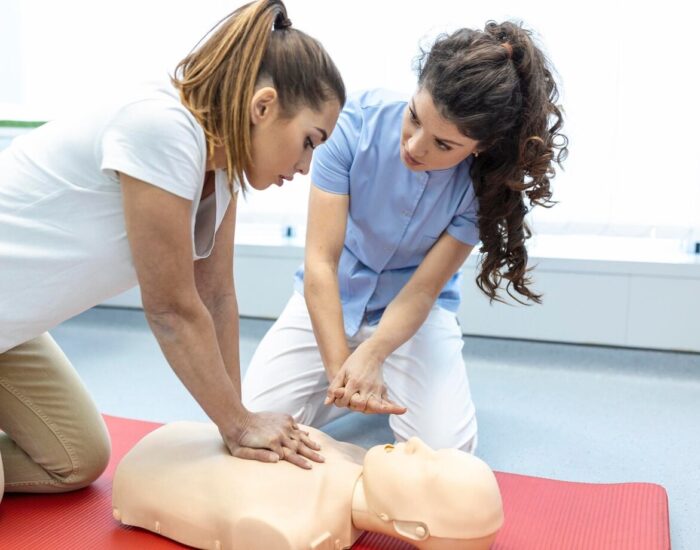
Being prepared for an emergency is no longer something people associate only with healthcare workers or first responders. Parents, teachers, childcare staff, trainers, and everyday members of the public all benefit from knowing how to respond when someone is hurt or suddenly becomes ill. That is one reason interest in the online first aid course Canada market has grown. People want training that fits real life while still giving them the knowledge needed to act quickly and calmly when it matters most.
First aid training has always served an important role in public safety. It teaches people how to respond in the first few minutes of an emergency, before medical professionals arrive or while help is on the way. Those minutes can feel long and stressful, especially when the person responding has no idea what to do next. Training helps reduce that hesitation. It gives learners a clearer sense of how to assess a situation, support an injured person, and make better decisions under pressure.
In Canada, this need reaches across many fields. Healthcare professionals often need current training as part of job readiness or workplace expectations. Childcare and education workers may require first aid knowledge because they spend long hours supervising children in classrooms, playgrounds, and activity spaces. Fitness and wellness professionals also work in environments where injuries, overexertion, or medical events can happen without warning. Parents and caregivers face their own concerns at home, especially when looking after young children, older adults, or family members with health conditions. Even people without a formal requirement often choose training because they want to feel more capable in daily life.
Online learning has made this process more practical for many of these groups. Traditional class-based instruction can be difficult to fit into a busy workweek. Shift workers may struggle to attend a scheduled session. Parents may need something that works around childcare responsibilities. Professionals in smaller communities may not always have convenient access to in-person options. An online format removes many of those barriers. It allows learners to move through the material at their own pace, revisit key lessons, and study when their schedule allows.
That flexibility is one of the main reasons online first aid education has become more appealing. Instead of blocking off an entire day, learners can often break the course into shorter sessions. That can make the material easier to absorb. It also helps reduce the feeling that safety training is something extra that has to compete with work, family, and other obligations. When learning is easier to access, more people are likely to complete it and keep their knowledge current.
Another advantage is the ability to review important topics more than once. In a classroom, a learner may hear something only once before the session moves on. Online courses often make it easier to pause, go back, and study a concept again. That can be especially helpful when learning about situations that feel unfamiliar or stressful, such as choking, bleeding, burns, or emergency response steps. Repetition supports confidence, and confidence matters in urgent situations.
Of course, not every course is the same. Learners should look for a provider that presents the material clearly and keeps the training focused on real-world understanding rather than confusing jargon. A good course should be easy to follow, well organized, and suitable for the learner’s needs. It should also help students understand not just what to do, but why each step matters. For many people, the goal is not simply checking a box. It is feeling prepared enough to respond in a real moment of need.
This is especially important for people whose work places them in positions of care. Teachers, daycare providers, coaches, personal trainers, and wellness professionals often serve others in active settings where quick judgment matters. Having first aid knowledge can support a safer environment and help build trust with the people who rely on them. The same is true for parents and caregivers, who may never face a serious emergency but still want the peace of mind that comes from being ready.
Online first aid training also reflects a larger shift in adult education. People now expect learning to be more accessible, more adaptable, and easier to fit into their existing routine. Safety education is no exception. When offered in a clear and practical format, online training helps more people build useful life skills without putting their responsibilities on hold.
First aid knowledge is not just for one profession or one stage of life. It is a practical skill that can support workplaces, homes, schools, fitness settings, and communities across Canada. As more people look for ways to learn efficiently and responsibly, online training continues to stand out as a sensible option.
For those ready to build that knowledge with a trusted training provider, Simple CPR offers online learning designed for busy professionals, caregivers, and everyday learners who want first aid education that fits modern life.
 Davidblogs